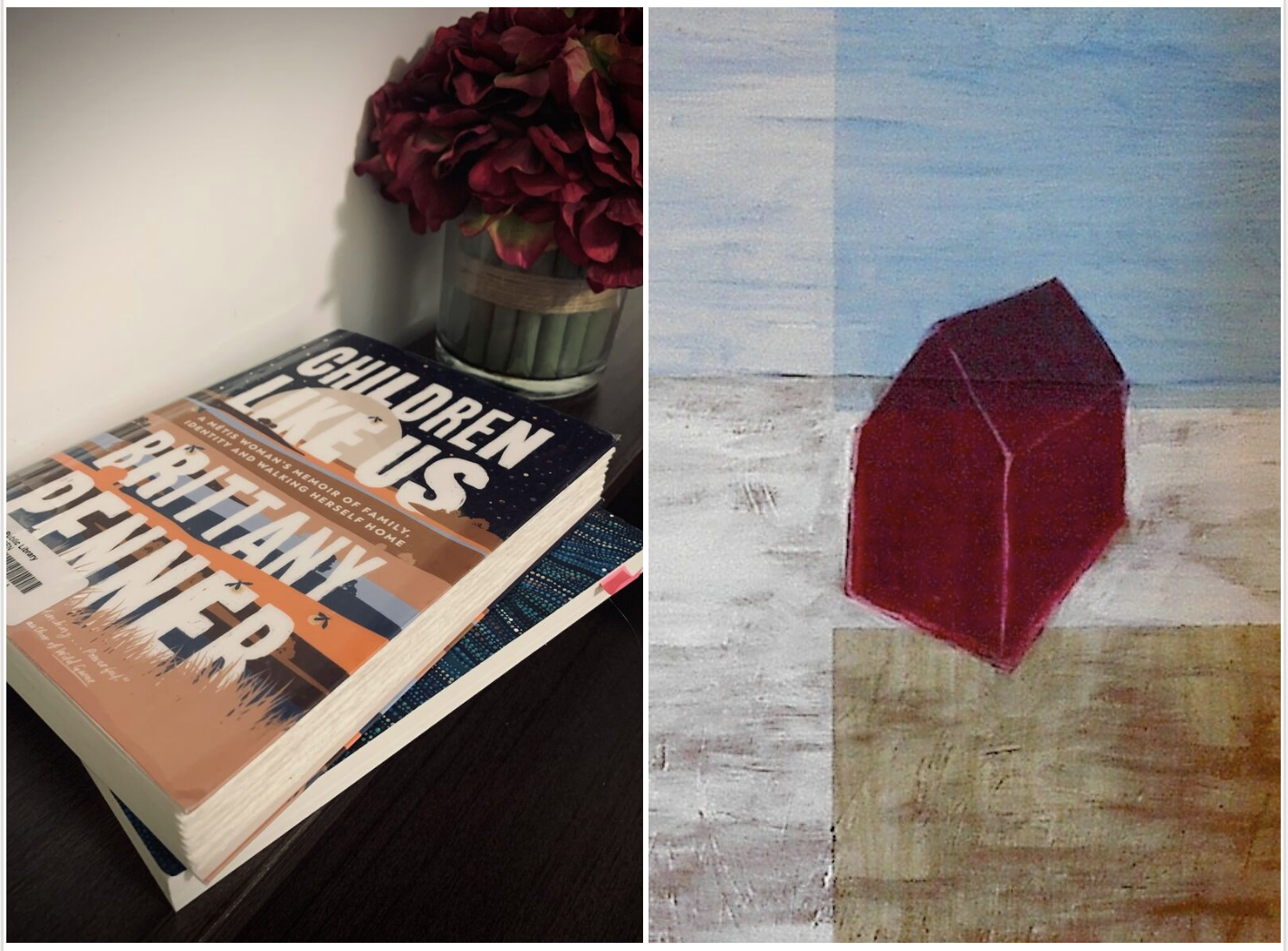
It is no small commitment to heal hearts and homes. The recent memoir Children Like Us by Brittany Penner (Métis) invites us to witness her brave and compelling personal story of healing through the confusions and loss of being adopted by a non-Indigenous family. Although her story is singular in its meaning and impact, it is plural in its representation of widespread suffering. As my friend and reading companion articulated, this is an important book for the awareness it brings to failings in Canadian society that do not receive enough attention. Through the writing, Brittany arrives at the understanding she then shares, that the Sixties Scoop continued well into the 1980’s when she was one of many who were still being taken. Many Indigenous children are still being taken.
As we accompany Brittany through connection and loss, community discrimination and glimpses of abuse, as well as her path toward healing, we also see through her eyes the many other ‘children like her’ surviving related experiences, since her extended family fostered more than a hundred children and she had 21 foster siblings before age seven. Her biography in the book cover shares her career success in becoming a medical doctor, so it is not a spoiler to highlight that academic achievement was an important component of her path of resilience. In fact, she has become a family physician in the town where she grew up, which she discusses in a community radio interview sharing about her early experiences as a published writer.
As a family doctor, Brittany Penner has, very generously, become a conduit of healing in the community where her childhood harms took place. Her book is just as generous. In a writerly conversation on the University of Manitoba radio show Turning Pages, she shares that she offers her story so that Indigenous readers who have had similar experiences may not feel so alone. She extends the hope that all readers may feel accompanied in their own struggles. Her recollections indeed resonate with necessary lessons for us all: self-compassion balanced with generosity of spirit relative to others’ imperfections. What are your commitments and methods in healing heart and home relative to colonial harm? What reading has supported you in this? We now have three books lined up in our queue, but the list for reading—and healing—is many lifetimes long.
Recent Comments